Helixis Technology
Architecting Deployable Autonomous Infrastructure
From early-stage simulation and validation to governed real-world operation — follow the milestones that define the deployability standard.
The People Behind the Journey
Meet the Team
The vision behind Helixis is driven by a small, focused team committed to building the governance infrastructure the autonomous era requires.
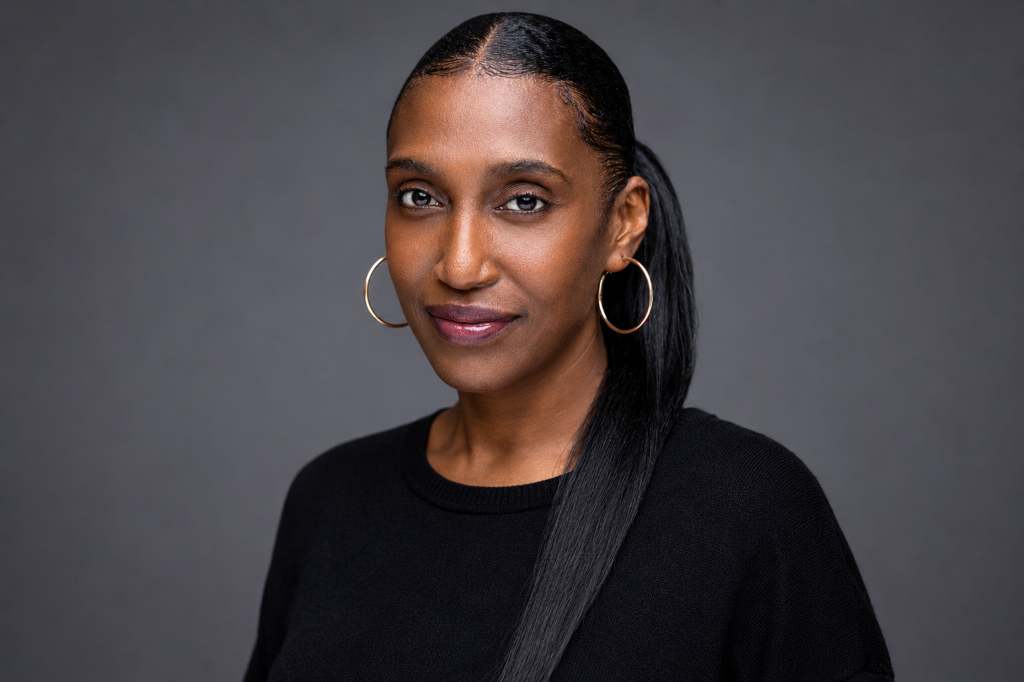
Twyla Jackson
Architect of the Participation Era
Founder and CEO of Helixis Technology and the architect of deployability as the missing infrastructure for the autonomous age.

Tandakwa Walker
Co-Founder & COO
Co-Founder of Helixis Technology supporting operational and strategic development.

Latia Permenter
Chief Risk Officer (CRO)
Chief Risk Officer leading enterprise risk strategy across cybersecurity, AI governance, emerging technologies, and Deployability Insurance frameworks for autonomous systems.

Shawna Angelou
Chief Advisor
Chief Advisor bringing experience across advanced technology environments, infrastructure readiness, autonomous systems, and real-world deployment.

Gabrielle Pierre
Technical Advisor
Strategy and infrastructure leader with experience spanning management consulting, future mobility, energy systems, large-scale infrastructure, and technology deployment. Director of Strategy & Partnerships for the Georgia Network for Electric Mobility and Founding Editor-in-Chief of the GNEM Think Tank.
Why It Matters
Simulation-First. Governed From the Start.
Every milestone in our journey was driven by one question: what does it actually take for autonomous systems to be deployable — before they ever reach the real world?
That question led to the Deployability Thesis, CYSIM, FieldScan, and the infrastructure frameworks that determine how machines earn the right to operate in shared human environments.
Core Doctrine
"The Right to Remain Necessary"
The human right to define the conditions under which autonomous systems are allowed to operate in shared environments.
SUPPORTED BY INDUSTRY LEADERS
Supported by institutions shaping the future of compute, space, and energy.








Disclaimer: Organizations referenced have supported aspects of Helixis Technology's research, development, or innovation programs. Their inclusion does not constitute endorsement of CPSDIA or any specific policy framework.